

It is known that water is the most valuable natural resource for people, providing human existence, agriculture and industry operations. However, now climate changes make it more and more difficult to preserve the water supply.
Some territories face drought while others have floods. All these changes occur because of climate alterations. It is necessary to understand the influence of climate change on water resources to use this resource more efficiently in the future.
Altering Rainfall Patterns
Due to climate changes, there appear serious alterations of the rainfall pattern. Some lands face a lack of rains that results in water shortage. Others receive much water resulting in flooding.
Such alterations complicate the management of water resources. It affects agriculture since farmers are accustomed to specific rainfall patterns and are not ready for any alterations. Unpredictable rainfall patterns contribute to water shortage due to soil erosion.
Increasing the Drought Condition
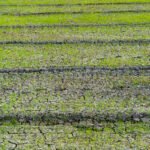
One of the major consequences of climate change is the occurrence of the drought condition. Higher temperatures cause evaporation resulting in decreased river, lake and reservoir water volume.
As a consequence, the water supply is under threat due to the drought condition. People, plants and animals may face problems related to the lack of water. Drought causes a lot of difficulties for the development of agricultural sector.
Flood and Water Overload
While in some parts of the world drought occurs in the other places, people face flood problem. Due to climatic shifts, the intensity of storms increases causing excessive water volume.
Floods spoil a great number of infrastructural constructions and houses. Besides, it contaminates water supply system and makes it unsafe to drink water. People should manage floods properly in order to solve the water supply issue.
Impact of Climate Change on Groundwater Resources
Groundwater is one of the main sources of water supply. But climate change negatively affects the processes of groundwater formation and recharge.
The lack of rain and increase of evaporation decrease the amount of water that replenishes groundwater level. Thus, this resource faces a serious decline in water volume. The combined effect of human activity and climatic changes may result in the water shortage in future.
Impact of Climate Change on Water Quality
Apart from water quantity, climate changes influence its quality. High temperatures contribute to water deterioration due to pollution.
During floods, waters get contaminated with different chemicals while droughts accumulate the contamination. The water becomes not suitable for drinking and other applications. Proper water quality maintenance is critical for both health and ecology.
Impact of Climate Change on Agriculture and Food Security
Since agriculture depends greatly on water supply, the impact of climate alterations affects agricultural sector. In particular, water shortage reduces crop yields.
In case of drought, people suffer from food scarcity. Flood damages agriculture infrastructure leading to losses for farmers. Thus, people should be ready to manage climate changes in agriculture.
Impact of Climate Changes on Ecosystems and Wildlife
Many plants and animals require the presence of water. Hence, climate changes have a negative effect on ecosystems.
Natural reserves like wetlands, rivers and lakes become endangered because of changes in water volumes and distribution. The role of water preservation in ecology cannot be overestimated.
Human Activity Impact and Demand for Water
Apart from climatic shifts, the water shortage occurs due to human activity. Increased population and economic development create high demand for water.
Combination of both factors makes it difficult to ensure the appropriate management of water supply. Responsible attitude and efficient measures may help to manage this situation. Water conservation is an urgent issue.
Water Conservation
Water conservation plays an important role in addressing the issue of water supply and management. People should consume water wisely in order to save water resources.
Simple water saving measures include reduction of unnecessary water consumption and improvement of efficiency. Both communities and governments should take actions to address the water supply problem. The key aspect of water management is water conservation.
Conclusion
Climate changes exert a considerable influence on water resources management and supply. Water becomes scarcer as a consequence of climate changes.
Understanding this issue and taking actions may help to protect this valuable resource. Sustainable water management and water conservation will guarantee the future stability of water supply. Any contribution to water conservation promotes environment protection and sustainability.