

Wildlife and natural habitats are vital elements in the environment. They contribute towards balancing the ecosystem and supporting life on planet Earth. However, due to climate change, serious implications are experienced by the wildlife and their natural habitats. These include variations in temperature, weather, and other environmental conditions.
Many wildlife species require specific habitats for feeding breeding and other activities. Variations in the environment affect their survival hence causing problems like migration and extinction.
Therefore, it is important to comprehend how climate change affects wildlife and ecosystems for purposes of conserving the latter.
Habitat Loss Caused By Climate Change
Habitat destruction is among the major effects of climate change. The environmental condition brought about by climate change creates an unstable ecosystem hence making habitats unsuitable for animals.
Temperature change affects vegetation distribution; consequently, the supply of food to animals. Also, ice melts hence depriving polar wildlife of their habitat. Migration occurs due to loss of habitats; however, it causes competition within ecosystems.
Animal Behavior And Migration Changes Caused By Climate Change
Climate change alters the behavior and migration of animal species. Many animals migrate seasonally; hence, any variation in the climate makes it hard for them to survive.
Seasonal change is very crucial for migratory birds and marine species; hence, altering these seasons greatly impacts them. Migration of these species leads to competition in the new environments making them harder for survival.
Food Chains Affected By Climate Change
Food chain distribution contributes to balancing the environment. Climate change affects the food availability in ecosystems therefore, altering the food chain.
Temperatures and weather influence the production of crops and organisms hence affecting animal consumption. Thus, food shortage leads to imbalances within the environment.
Threat To Biodiversity As A Result Of Climate Change
Biodiversity means diversity in plants, animals and microorganisms. Climate change threatens biodiversity by causing changes in species.
Inability to adapt to climate change makes some animal species endangered and eventually extinct while others cannot reproduce anymore. As such, the loss of biodiversity affects the stability of ecosystems.
Implications Of Climate Change On Marine Life
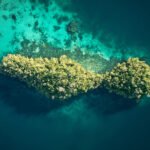
Marine ecosystems are equally affected by climate change due to temperature increases and changes in water conditions.
Alteration of water temperature results in the bleaching of corals hence loss of marine biodiversity. Also, fish and other marine species migrate to different habitats due to these changes.
Consequences Of Climate Change On Forest Ecosystems
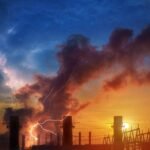
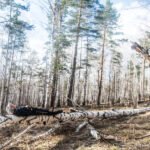
Climate change affects forests due to rising temperatures, change in rainfall, and increased probability of fires.
Wildfires occur easily and destroy forest habitats and dislocate the wildlife. In addition, plants grow differently under the changed conditions. Therefore, it is crucial to conserve our forests in order to preserve the wildlife and natural habitats.
Contribution Of Human Activities To Climate Change And Its Effects On Wildlife
In addition to the climatic changes, human activities affect wildlife and habitats negatively since they result in more environmental stressors. Such activities include deforestation, pollution, and industrialization.
Due to these activities, there is little space for wildlife in the environment; hence, they need to be protected. Awareness and responsible actions can go a long way in preserving ecosystems.
Need For Conservation Programs And Efforts
For preservation of the wildlife and their habitats, it is important to initiate conservation efforts. For instance, protected areas should be created and pollution reduced.
Endangered wildlife and habitats are usually protected as part of these conservation measures. Community involvement and awareness are important in conservation efforts.
Outlook For Future Impacts Of Climate Change On Wildlife
For future conservation, it is important to consider the implications of climate change on wildlife. Sustainability and conservation are important factors for addressing these implications.
New technologies are helping in environmental conservation while at the same time policies are supporting conservation efforts. However, continuous efforts are needed to ensure success. Balanced approach towards development and environmental conservation will yield a sustainable future.
Conclusion
In conclusion, it is clear that climate change poses serious threats to wildlife and natural habitats. The effects include loss of biodiversity, food chains and imbalance within ecosystems.
However, by appreciating the implications and implementing protective measures, we will manage to conserve wildlife in the future.