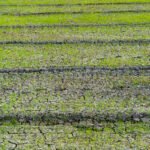


Conservation is vital for saving the environment and protecting the natural resources for future use. The essence of conservation lies in protecting nature in terms of water, wildlife, forests, and ecosystems. With human activity posing a huge challenge to nature, the need for conserving is becoming increasingly important.
The Importance of Protecting the Environment
Natural resources are limited in quantity and therefore need to be protected. Their overuse can cause damage to the environment due to reasons like pollution, deforestation, and climate change.
Understanding the importance of protecting nature can encourage people to take appropriate action.
Understanding Conservation
Conservation implies the protection and management of the natural resources for the benefit of future generations. It involves using natural resources wisely without overusing them.
This process entails protecting forests, conserving water, preserving wildlife, and maintaining ecosystems. Therefore, it is not against human development, but rather focuses on finding balance between these two elements.
Importance Of Protecting Natural Resources
Water, air, soil, and forests are among the most valuable natural resources. They support various ecosystems and are used in human activities.
However, their overuse and pollution can harm them. Conservation protects these resources from waste and depletion.
In this way, we can guarantee their availability in the future and ensure environmental balance.
Role Of Wildlife Conservation
Animals and other species of wildlife form an interconnected web of living organisms, which supports the existence of life.
Climate changes, habitats destruction, and pollution endanger wildlife. Efforts aimed at protecting endangered species are important for environmental protection and stability.
Water Conservation And Sustainability
The availability of water in nature is extremely valuable since it sustains life. Therefore, its protection and conservation are crucial.
With the influence of climate change, water conservation has become even more important than before. Water conservation implies its efficient use and management.
Thus, conservation can improve water security.
Forest Conservation And Environmental Balance
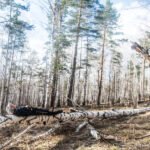
As important sources of oxygen, forests are necessary for keeping the balance of the Earth’s climate and supporting biodiversity.
Deforestation is one of the biggest threats to forests today. By preserving forests, we can protect their ecosystems from further damage.
Tree planting and forests protection are among important steps towards sustainability.
Reducing Environmental Pollution
Environmental pollution poses a big problem because it negatively impacts soil, water, and air quality. Therefore, reducing pollution levels is an important aspect of conserving the environment.
Some strategies that can be helpful include waste reduction, recycling, and clean energy usage.
Therefore, protecting the environment from pollution is necessary for its sustainability.
Role Of Individuals In Conservation
Individuals can contribute to environmental protection through various actions. Even little things can have a big impact in this process.
For example, you can help by
- conserving water and energy;
- reducing waste;
- protecting natural surroundings;
- supporting conservation efforts;
- consuming natural resources responsibly.
These small efforts go a long way in helping conserve the environment.
Challenges In Conservation
Among challenges that conservation efforts face include insufficient awareness about their necessity and increased human demand for natural resources.
Furthermore, urbanization and industrial processes cause strain on the environment. However, it will be possible to deal with these difficulties.
Improving awareness and developing sustainable strategies will help to address the mentioned challenges.
Future Of Conservation And Sustainability
The future of conservation lies in the hands of people. Global policies and technologies assist conservation projects. For instance, renewable energy and more efficient systems facilitate the process.
Therefore, future conservation can depend on continuous efforts and advancements made in this area.
Conclusion
It is important to conserve nature, wildlife, and other natural resources. This action guarantees environmental stability and helps to achieve sustainability in the long run.