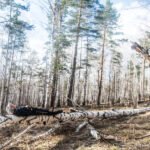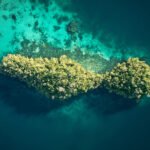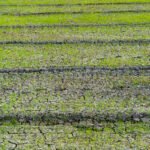


All living organisms depend on natural resources for their survival on the planet. This includes natural water bodies, the atmosphere, soil, forests, minerals, and energy resources. But due to the increasing population and consumption, the natural resources on the planet have been put under severe pressure
Natural resource conservation refers to the effective use of natural resources and ensuring that they are protected from any form of exploitation. Resource conservation ensures that these natural resources are conserved and available to future generations. If natural resources were not conserved, there would be an imbalance in the ecosystem.
It is essential to understand why resource conservation is crucial for sustainable development and environmental equilibrium.
Types of Natural Resources
There are two types of natural resources. They include renewable natural resources and non-renewable natural resources. Renewable natural resources are resources that continue to regenerate and include water and forests.
Non-renewable natural resources like minerals and fossil fuels take much time to regenerate. Hence, these resources must be immediately conserved to prevent any harm in the future.
Effective resource management is imperative for the conservation of natural resources.
Importance of Resource Conservation
Resource conservation is important for balancing the environment and encouraging sustainable development. Resource conservation enables effective and optimum use of resources with minimal wastage.
Moreover, resource conservation promotes economic stability by ensuring that resources are used efficiently without increasing their extraction cost. Hence, resource conservation helps in achieving sustainable development.
Proper use of natural resources is important for sustainable development.
Causes of Resource Depletion
Overuse and poor management are the two major factors responsible for natural resource depletion. Rapid urbanization and industrialization lead to an increase in the consumption of natural resources. Deforestation, mining operations, and overuse of water are some of the practices that lead to the depletion of resources.
Pollution is also another cause behind resource depletion. You need to understand the causes of natural resource depletion for better conservation.
Impacts of Resource Depletion
The depletion of natural resources leads to various detrimental impacts on the environment. Lack of resources impacts their availability and creates a lot of environmental issues. Scarcity of water, soil pollution, and loss of biodiversity are some of the environmental problems associated with resource depletion.
Resource depletion affects economic and social development adversely and needs immediate action. Resource protection is required to maintain ecological balance.
Role of Sustainable Practices
Sustainable practices are helpful in minimizing resource depletion and conserving natural resources. This includes making optimum use of natural resources with minimal wastage. Some examples of sustainable practices include utilizing renewable sources of energy, recycling, and reducing consumption.
Such practices are instrumental in resource conservation.
Role of Recycling and Reuse
Resource recycling and reuse practices are effective techniques for resource conservation. Recycling helps in reducing the use of raw materials. Moreover, reuse contributes to the long life cycle of materials and reduces resource consumption.
Resource recycling and reuse practices play a great role in promoting resource conservation.
Role of Technology in Resource Conservation
Modern technology plays an important role in improving resource conservation practices. Advanced technological inventions facilitate better resource management. Renewable energy resources minimize the use of fossil fuels.
Smart technology helps in resource conservation and management.
Role of Individuals in Resource Conservation
Individuals play an essential role in resource conservation practices through consumption reduction and resource recycling. Awareness about natural resource conservation and proper use of natural resources is very important.
Your contributions to natural resource conservation include:
- Consumption reduction
- Water and energy savings
- Resource recycling
- Optimum resource utilization
- Adopting sustainable practices
Conclusion
Natural resource conservation is important for ensuring sustainable development and balancing the environment. Natural resource conservation ensures sustainable resource availability for future generations. Every individual’s contribution to natural resource conservation helps immensely.