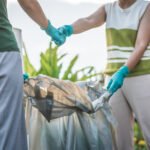


Plastic pollution is probably one of the most complicated phenomena facing humanity nowadays. Plastic accumulates rapidly, causing various types of pollution. DIY plastic upcycling is an unusual technique for solving the problem and producing something new from old items.
What Is Upcycling?
In simple terms, upcycling means manufacturing some useful item from something that is considered waste now. Upcycling conserves natural resources, cuts down landfills contribution, and contributes to environmentally sound life. DIY upcycling helps people participate in environmental conservation programs and have fun.
Why Is Plastic Upcycling Important?
For example, plastic takes thousands of years to decompose. Plastic burning and disposal lead to soil, water, and river contamination. Using upcycling techniques helps minimize primary raw materials usage, cut down waste, and avoid contamination.
Types Of Plastics Suitable For Upcycling?
Common household plastics suitable for upcycling include the following:
- PET drink bottles;
- Containers and tubs;
- Milk bottles and detergent bottles;
- Packaging and trays;
- Lids and caps.
Thorough cleaning of plastic items before use is essential for safety reasons.
DIY Plastic Upcycling Ideas
Some useful items can be made of plastic waste, such as:
- Planter – manufacture herb planters, flower pots, etc.;
- Organizer – keep pens, kitchenware, craft tools, etc., in containers;
- Decorative Item – make unique things, such as lampshades, candles, and vases;
- Bird Feeder – convert plastic bottles into garden bird feeders;
- Household Tool – cut and reuse plastic tubs as funnels, scoops, and seed starters.
This technique cuts down the amount of plastic garbage, giving added value to it.
Steps To Successful Plastic Upcycling
Follow these tips to make DIY projects from plastic waste successfully:
- Clean plastic items and dry them completely;
- Sort objects according to their size, type, or color;
- Make a plan what you are going to manufacture;
- Use scissors or craft knives to cut and shape items properly;
- Paint, stick, or assemble items according to your needs;
- Use the produced items.
Be careful when cutting and painting plastic products.
Benefit Of Upcycling to the Environment
DIY upcycling provides the following benefits to the environment:
- Reducing the amount of waste in landfills;
- Avoiding the pollution of soils, water sources, and oceans;
- Conserving natural resources, such as energy;
- Promoting sustainable practices;
- Developing resourcefulness and creativity.
Such initiatives contribute to environmental improvement.
Creative Projects for Kids
Upcycling may be done not only with household items but also toys. Examples of kid projects may include:
- Bottle cap mosaics;
- Containers to keep kids’ toys organized;
- Making mini-greenhouses out of transparent plastic bottles;
- Suspendable planters out of plastic bottles;
- Art projects made of plastic leftovers.
Kids learn to think creatively and develop resourcefulness.
How Can Individuals Contribute to Plastic Upcycling?
Family members may do the following:
- Collect all the items that can be reused;
- Develop project ideas;
- Arrange a special place in your house for DIY upcycling;
- Inform about your projects friends and neighbors;
- Raise awareness among family members of the issues.
Individual actions may lead to significant plastic waste reduction.
Challenges Related to DIY Plastic Upcycling
Some challenges may include:
- Safety problems related to the use of sharp instruments;
- Lack of equipment and sufficient area in your house;
- Lack of project ideas;
- Hard-to-upcycle plastics.
Such barriers may be overcome easily by taking necessary measures.
Future Perspectives of DIY Plastic Upcycling
The future of plastic upcycling looks rather promising due to environmental concerns. Various communities organize initiatives and share DIY information. DIY upcycling may solve the problem of plastic pollution promoting sustainability and innovations. If widely adopted, DIY upcycling may greatly decrease plastic waste.
Conclusion
DIY plastic upcycling can be seen as an environmentally friendly and resource-conserving technique of manufacturing new items. Such technique helps save natural resources and reduce household waste.