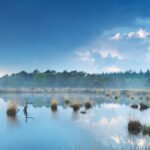


Biodiversity means the variety of living things found on earth that include animals, plants and microorganisms. It is an important aspect that makes sure that ecosystems stay in a balance state of being able to sustain life. Biodiversity conservation seeks to preserve all forms of living things to avoid their extinction from the face of the earth.
It is important for you to know why biodiversity conservation should be done. It has many benefits in our environment and will help future generations.
Why Is Biodiversity Important To Ecosystems?
As much as each of us have some understanding of why biodiversity is important, we need to understand the specific roles that each of the plants, animal and microorganisms play. These plants, animals and other living things live among each other, and they have complex interactions which ensure ecosystem sustenance.
Biodiversity is what keeps all organisms alive in their environments by providing stability. Loss of biodiversity means instability and hence death of organisms.
Causes Of Biodiversity Loss
There are different reasons that cause loss of biodiversity. Some causes include habitat destruction due to deforestation, pollution of air, water and land by human activities, climate change and over-exploitation of resources such as over hunting and over fishing.
These factors have contributed greatly to loss of biodiversity. The loss has affected the environment very much. Biodiversity conservation should be considered.
Effects Of Biodiversity Loss
Some of the effects brought about by loss of biodiversity include the following:
- Instability in ecosystems where the ecosystem cannot adjust to environmental changes.
- Disruption of food chains thus reducing the supply of food and natural resources.
- The effect of biodiversity loss is also felt in agriculture, medicine, etc.
Biodiversity is important is In Regulating Climate
Biodiversity regulates the climate in the environment in that forests, oceans and other ecosystems ensure that the climate remains balanced. When there is loss of biodiversity, this ability is hindered, leading to changes in climate, thus global warming.
Biodiversity conservation makes sure that this does not happen.
Importance Of Protected Areas In Preserving Biodiversity
Protected areas such as national parks and wildlife reserves are important since they provide habitats for species. Protected areas help in preserving ecosystems and endangered species.
These areas are important in maintaining biodiversity and restoration of habitat. They play a great role in environmental sustainability in the long run.
Sustainable Use Of Natural Resources And Its Benefits To Biodiversity Conservation
When natural resources are utilized in a sustainable manner, biodiversity is conserved. Practices such as sustainable agriculture, forestry, fishing, etc ensure that resources will last in future.
Sustainability and conservation of biodiversity go hand in hand.
Individuals’ Roles In Biodiversity Conservation
We all have roles to play in biodiversity conservation. As individuals, we have roles like the following;
- Protection of natural habitats.
- Reduced levels of pollution.
- Supporting biodiversity conservation programs.
- Avoidance of activities that harm living things in the ecosystem.
- Awareness creation.
Challenges Faced During Biodiversity Conservation
During conservation, there are challenges involved which include; lack of awareness, scarcity of resources, increase in human activities, etc. Illegal activities such as poaching also pose threats to species.
Climate change is one of the biggest threats facing biodiversity conservation today.
Biodiversity Conservation Future
There are different strategies that are currently being adopted to improve biodiversity conservation practices. Advancements in technology and research are improving conservation approaches.
Ecosystem restoration and protection of species are among the future biodiversity conservation strategies.
Conclusion
Biodiversity conservation is essential for maintaining healthy ecosystems, supporting life, and preserving natural balance. Protecting plants, animals, and their habitats helps regulate the climate, sustain natural resources, and ensure environmental stability for future generations. Although challenges such as pollution, habitat loss, and climate change continue to threaten biodiversity, collective efforts can make a significant difference. By promoting conservation and sustainable practices, we can help create a healthier and more resilient planet for all living beings.