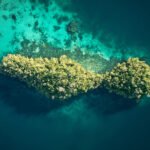


Oceans cover a considerable share of the earth’s surface. They perform such a vital function as maintaining environmental balance. The ocean plays a significant role in regulating the climate, providing food support, conserving biodiversity, and preserving life. Unfortunately, oceans face various threats related to pollution, climate change, and exploitation of their resources.
Marine conservation refers to all those measures taken for the protection of oceans and their creatures. It implies lowering environmental impacts and encouraging sustainable development. Failure to conserve oceans leads to environmental destruction, which affects the existence of both people and nature.
It is vital to highlight the importance of marine conservation to promote environmental protection and sustainability.
Importance Of Oceans In Ecosystems
Ocean waters are highly important for ecosystems. They provide living places for various marine organisms thus increasing global biodiversity.
Marine creatures contribute to the maintenance of food chains, nutrient cycling, and climate regulation. In addition, oceans produce oxygen and reduce the concentration of atmospheric carbon dioxide. Conserving the oceans ensures continuity of the aforementioned natural processes.
Threats To Marine Ecosystems
Human activity is the source of multiple environmental problems that affect marine ecosystems. Pollution is one of the major threats facing the state of the oceans.
Pollutants like plastics, other chemicals, and oil spillings negatively impact the lives of sea creatures. Overfishing leads to depletion of fish population and destruction of food chains. Climate change causes changes in the temperature and acidity of oceans that damage marine ecosystems. The above-listed threats prove that marine conservation becomes necessary.
Impact Of Pollution On Marine Life
Pollution has a destructive effect on marine ecosystems. Marine animals are threatened by plastic waste that causes them injury and sometimes leads to death. Chemical pollutants degrade water quality thus destroying the ecosystem. Oil spills cause irreversible damage to the environment. Hence, limiting pollution becomes important to protect marine life.
Role Of Oceans In Climate Regulation
Oceans play a very important role in regulating climate conditions. They are carbon sinks that absorb carbon dioxide from the atmosphere. Furthermore, oceans regulate the temperature due to the presence of large amounts of heat there. Climate regulation by oceans proves to be extremely important. Thus, marine conservation helps reduce the consequences of climate change.
Importance Of Sustainable Fishing
Fishing is an important process, but overfishing might lead to the destruction of marine ecosystems. Adoption of sustainable fishing practices allows ensuring preservation of fish populations. The responsible use of natural resources without environmental damage promotes sustainable development. Fish population preservation is extremely important for maintaining the ecosystem.
Marine Protected Areas
Marine protected areas imply special zones in which people are controlled in their activities to preserve marine ecosystems. They act as habitats for marine creatures. Marine protected areas help restore and maintain biodiversity and rehabilitation of ecosystems. Marine conservation programs are conducted within marine protected areas. The expansion of these zones is crucial for marine conservation.
Role Of Individuals In Marine Conservation
Everyone can take part in the marine conservation by participating in certain activities. Awareness and responsibility are the main features required to promote conservation initiatives.
You can become a participant in marine conservation by
- Reducing the consumption of plastic;
- Avoiding water body pollution;
- Supporting conservation campaigns;
- Purchasing sustainably produced products;
- Raising awareness about marine conservation.
Such activities will allow you to contribute to the protection of marine creatures.
Challenges In Marine Conservation
Several challenges impede the process of marine conservation. They include lack of knowledge, pollution, and exploitation of natural resources. Also, illegally performed fishing and climate change represent additional difficulties. However, it is possible to overcome these challenges with the help of modern sustainable technologies.
Future Of Marine Conservation
The future of marine conservation depends on multiple factors. Technological development and research make the process of conservation increasingly effective. Restoration initiatives and marine protected areas contribute to ecological recovery. Continuous marine conservation will bring positive outcomes in the future.
Conclusion
Marine conservation is extremely important for marine creatures’ preservation. Additionally, it will help sustain biodiversity, ecosystems, and environmental balance. Understanding of the significance of marine conservation and its implementation will contribute to environmental protection and sustainability of the planet.