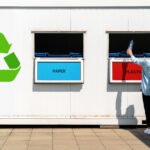


Recycling at home is one of the simplest means of controlling waste and promoting environmental sustainability. Most households generate waste on a daily basis. However, without proper recycling practices, the waste usually causes harm to the environment. One of the easiest ways to deal with waste generated at home is through recycling. By altering certain aspects of your lifestyle, it is relatively easy to control waste and promote environmental sustainability.
Basics of Home Recycling
Recycling at home involves altering your daily habits slightly. However, when you understand the basics of recycling, it becomes relatively easy to implement the process effectively.
To begin recycling at home, you need to
- Learn how to recycle different materials
- Learn the basic procedures involved in recycling
- Learn how to sort waste materials
- Be consistent with the recycling activities
By understanding the basics of recycling, it is relatively easy to recycle effectively.
Creating a Recycling System at Home
Once you learn the basics of recycling, you should develop a system for handling waste in your home. This practice usually involves creating separate bins for storing the waste. The recycling process becomes relatively simple once you have developed a system for dealing with waste in your household.
You can create a system for home recycling by
- Creating separate bins for storing different materials
- Labeling the containers appropriately
- Positioning the bins strategically
- Maintaining cleanliness and orderliness around the containers
When you create a system for recycling at home, it is relatively easy to control the waste generated in your house.
Building Habits for Recycling
Once you create a system for recycling at home, you must establish habits for maintaining the process. Certain habits must be established for maintaining the recycling process on a daily basis.
You can create recycling habits by
- Establishing habits for sorting different waste products
- Establishing habits for using recycled products
- Establishing habits for avoiding waste generation
- Developing awareness regarding the importance of waste reduction
When you develop specific habits for recycling, the process becomes easy to sustain on a daily basis.
Combining Recycling and Waste Reduction
Recycling at home can be combined with waste reduction techniques. In most cases, waste reduction makes the process of recycling more effective.
Waste reduction techniques include
- Learning how to avoid buying excess materials
- Learning how to reuse products
- Learning how to repair damaged materials
By adopting waste reduction techniques, it becomes relatively easy to recycle more effectively.
Benefits of Home Recycling Practices
The adoption of home recycling practices usually creates several advantages. Once you adopt home recycling habits, you benefit significantly in terms of environmental protection and resource utilization.
Some benefits of home recycling include
- Waste reduction
- Environmental protection
- Resource utilization
- Cost savings
- Improved organizational skills
The advantages of home recycling practices make the adoption of such techniques relatively appealing.
Conclusion
In conclusion, it is relatively easy to recycle at home once you adopt appropriate measures. By establishing simple techniques for recycling, it is relatively easy to promote environmental sustainability.